

Revolutionizing Travel: The Impact of Emerging Transportation Technologies
- Jaycee
- Aug 21, 2025
- 4 min read
Travel has always been a cornerstone of human progress, connecting people, cultures, and economies. Today, the landscape of transportation is undergoing a profound transformation. With rapid advancements in technology, the way we move from place to place is evolving faster than ever before. This blog post delves into the exciting world of future transport innovations and how they are set to revolutionize travel as we know it.
The Rise of Future Transport Innovations
The future of transportation is being shaped by a variety of cutting-edge technologies designed to make travel faster, safer, and more sustainable. These innovations are not just concepts but are actively being developed and tested worldwide. Some of the most promising advancements include electric vehicles, autonomous cars, hyperloop systems, and flying taxis.
Electric vehicles (EVs) are becoming increasingly popular due to their environmental benefits and cost efficiency. Governments and manufacturers are investing heavily in EV infrastructure, such as charging stations, to support widespread adoption. Autonomous vehicles, equipped with sophisticated sensors and AI, promise to reduce accidents caused by human error and improve traffic flow.
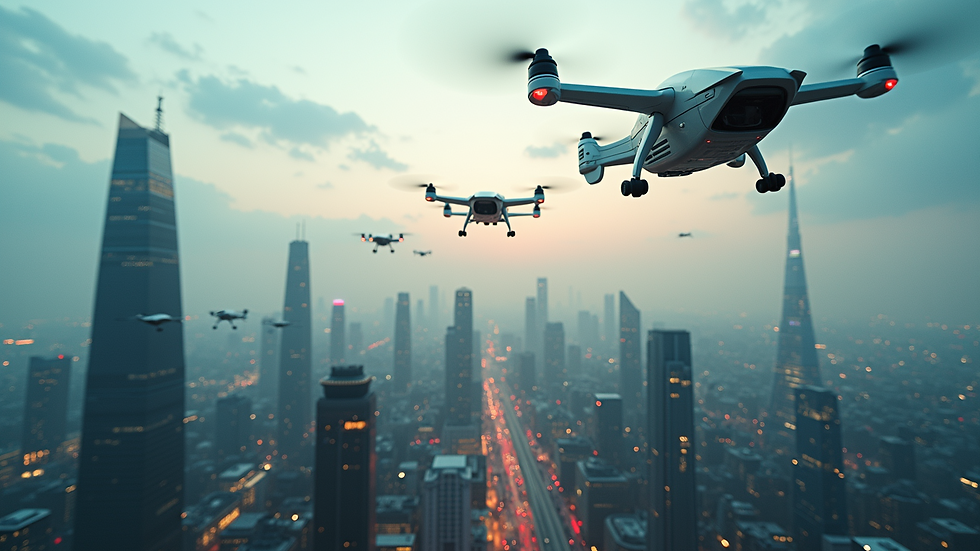
Hyperloop technology, which involves high-speed pods traveling through low-pressure tubes, could drastically cut travel times between cities. Meanwhile, flying taxis aim to alleviate urban congestion by taking transportation to the skies, offering a new dimension of mobility.
These future transport innovations are not only changing how we travel but also influencing urban planning, environmental policies, and economic models.

How Future Transport Innovations Will Impact Daily Life
The integration of these new technologies into everyday life will bring significant changes. Commuting will become more efficient, reducing the time people spend in traffic and increasing productivity. For example, autonomous shuttles could provide reliable public transport options in suburban and rural areas where traditional services are limited.
Environmental benefits are another critical impact. Electric and hydrogen-powered vehicles produce fewer emissions, helping cities combat air pollution and meet climate goals. Additionally, smart traffic management systems powered by AI can optimize traffic flow, reducing congestion and fuel consumption.
Safety improvements are expected as well. Autonomous vehicles can communicate with each other and infrastructure to avoid collisions and respond quickly to hazards. This could lead to a dramatic decrease in road accidents and fatalities.
Moreover, these innovations will enhance accessibility. People with disabilities or the elderly may find it easier to travel independently with autonomous vehicles and personalized transport services.
To prepare for these changes, individuals and businesses should stay informed about new technologies and consider how they might integrate them into their routines and operations.
What New Developments in Transportation Were There?
Recent years have seen several groundbreaking developments in transportation technology. One notable advancement is the progress in battery technology, which has extended the range and reduced the charging time of electric vehicles. Solid-state batteries, for instance, promise higher energy density and improved safety compared to traditional lithium-ion batteries.
Another development is the refinement of autonomous driving systems. Companies have moved from basic driver assistance features to fully autonomous prototypes capable of navigating complex urban environments. Regulatory bodies are also working on frameworks to safely integrate these vehicles into public roads.
The hyperloop concept has transitioned from theoretical to practical, with several companies conducting successful test runs. These tests demonstrate the potential for ultra-fast, energy-efficient travel between major cities.
In the realm of air mobility, electric vertical takeoff and landing (eVTOL) aircraft are being developed for urban air transport. These vehicles combine the convenience of helicopters with the efficiency of electric propulsion, aiming to reduce noise and emissions.
Public transportation systems are also evolving with the adoption of smart ticketing, real-time tracking, and AI-driven route optimization, enhancing user experience and operational efficiency.
These developments collectively indicate a future where transportation is more interconnected, intelligent, and environmentally friendly.

Challenges and Considerations for Adopting Future Transport Innovations
While the potential benefits of future transport innovations are immense, several challenges must be addressed to ensure successful adoption.
Infrastructure: Many new technologies require significant upgrades to existing infrastructure. For example, widespread use of electric vehicles depends on the availability of fast and accessible charging stations. Similarly, hyperloop systems need dedicated tubes and stations, which involve high initial costs and complex engineering.
Regulation and Safety: Autonomous vehicles and flying taxis raise new regulatory and safety concerns. Governments must develop comprehensive policies to manage liability, privacy, and cybersecurity risks. Ensuring public trust through rigorous testing and transparent communication is essential.
Cost and Accessibility: Advanced transportation technologies can be expensive to develop and deploy. Ensuring that these innovations are affordable and accessible to all segments of society is crucial to avoid widening social inequalities.
Environmental Impact: While many future transport innovations aim to reduce emissions, the environmental impact of manufacturing new vehicles and infrastructure must be considered. Sustainable materials and recycling programs will play a vital role.
Public Acceptance: Change can be met with resistance. Educating the public about the benefits and safety of new transportation modes will help foster acceptance and encourage adoption.
Addressing these challenges requires collaboration between governments, industry, and communities to create a transportation ecosystem that is efficient, equitable, and sustainable.
How to Prepare for the Future of Travel
As these future transport innovations continue to develop, individuals and organizations can take proactive steps to prepare:
Stay Informed: Follow reliable sources and updates on transportation technology trends and policies.
Embrace New Technologies: Consider adopting electric or hybrid vehicles and explore public transport options that incorporate smart technologies.
Advocate for Infrastructure: Support initiatives that promote the development of EV charging stations, smart roads, and public transit improvements.
Plan for Change: Businesses should evaluate how emerging transportation technologies can optimize logistics, reduce costs, and improve customer experiences.
Promote Sustainability: Encourage environmentally friendly travel habits and support policies aimed at reducing carbon footprints.
By staying engaged and adaptable, everyone can benefit from the exciting changes that future transport innovations will bring.
The transportation sector is on the brink of a revolution, driven by emerging transportation technologies that promise to reshape how we move around the world. These advancements offer the potential for faster, safer, and greener travel, but they also require thoughtful planning and collaboration to realize their full benefits. The journey toward the future of travel is underway, and it invites us all to participate in shaping a more connected and sustainable world.


Comments