

Innovative Advancements in Transportation Technology
- Jaycee
- Aug 11, 2025
- 3 min read
Transportation technology is evolving rapidly, reshaping how people and goods move around the world. These innovations promise to make travel faster, safer, and more sustainable. From electric vehicles to autonomous drones, the future of mobility is exciting and full of potential. This article explores the latest breakthroughs and practical applications in transportation technology, highlighting how they will impact daily life and industries.
Exploring Future Mobility Solutions
Future mobility solutions focus on creating efficient, eco-friendly, and accessible transportation systems. These solutions aim to reduce congestion, lower emissions, and improve connectivity between urban and rural areas. Some key trends include:
Electric Vehicles (EVs): EVs are becoming mainstream, with advances in battery technology extending driving range and reducing charging times. Companies are investing heavily in EV infrastructure, such as fast-charging stations, to support widespread adoption.
Autonomous Vehicles: Self-driving cars and trucks use sensors and AI to navigate roads safely. These vehicles can reduce accidents caused by human error and optimize traffic flow.
Shared Mobility: Ride-sharing and car-sharing platforms reduce the number of vehicles on the road, lowering pollution and traffic jams.
Hyperloop and High-Speed Rail: These systems offer ultra-fast travel between cities, cutting down commute times and connecting regions more efficiently.
Governments and private companies worldwide are collaborating to implement these solutions, aiming for smarter cities and greener transportation networks.

The Role of Emerging Transportation Technologies
One of the most exciting aspects of transportation innovation is the integration of emerging transportation technologies. These technologies include advanced materials, AI-driven traffic management, and new propulsion systems. For example:
Smart Infrastructure: Roads embedded with sensors can communicate with vehicles to provide real-time traffic updates and hazard warnings.
Advanced Batteries: Solid-state batteries promise higher energy density and faster charging, making electric planes and long-haul trucks more viable.
Urban Air Mobility: Electric vertical takeoff and landing (eVTOL) aircraft are being developed for short-distance urban flights, reducing ground traffic congestion.
These technologies are not only transforming vehicles but also the entire transportation ecosystem, enabling seamless, integrated travel experiences.

What is the Newest Type of Transportation?
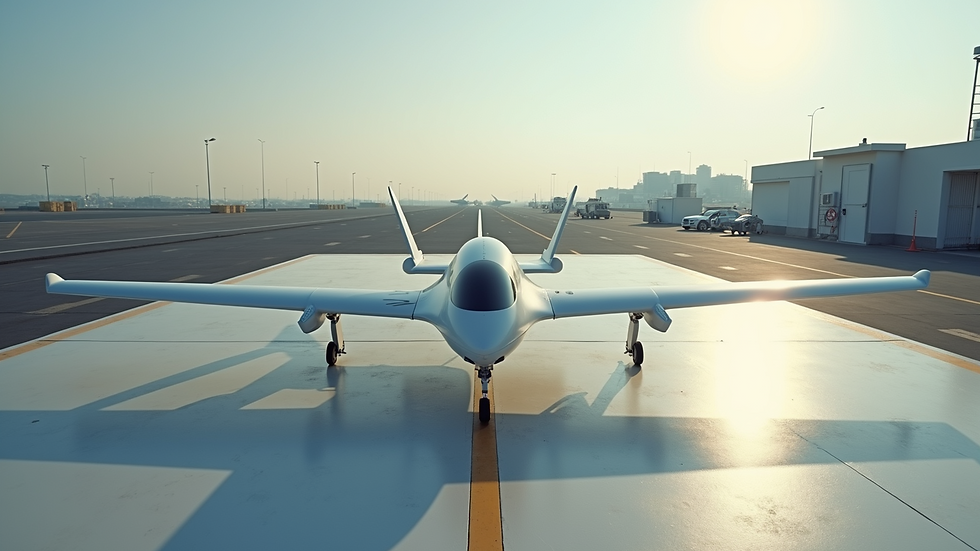
The newest type of transportation gaining attention is urban air mobility (UAM), particularly through eVTOL aircraft. These electric flying vehicles are designed to take off and land vertically, making them ideal for crowded cities where space is limited. UAM aims to:
Reduce Traffic Congestion: By moving some transportation to the air, ground traffic can be alleviated.
Cut Travel Time: Short flights across cities can be much faster than driving through congested streets.
Lower Emissions: Electric propulsion means zero direct emissions, supporting environmental goals.
Several companies are testing prototypes, and regulatory bodies are working on safety standards. While widespread adoption may take a few years, UAM represents a significant leap forward in how people will move within urban areas.
Practical Applications and Benefits of New Transportation Technologies
The advancements in transportation technology offer numerous practical benefits:
Environmental Impact: Electric and hydrogen-powered vehicles reduce greenhouse gas emissions, helping combat climate change.
Safety Improvements: Autonomous systems can lower accident rates by eliminating human error.
Economic Growth: New industries and jobs are created around manufacturing, software development, and infrastructure for advanced transportation.
Accessibility: Shared and autonomous vehicles can provide mobility options for people who cannot drive, such as the elderly or disabled.
Efficiency: Smart traffic management and high-speed travel reduce commute times and improve logistics.
For businesses, adopting these technologies can lead to cost savings and enhanced customer satisfaction. For individuals, they offer more convenient and sustainable travel options.
Preparing for the Future of Transportation
To fully benefit from these innovations, several steps are essential:
Investment in Infrastructure: Governments and private sectors must build charging stations, smart roads, and air traffic control systems for new vehicle types.
Regulatory Frameworks: Clear safety and operational guidelines are needed to ensure public trust and smooth integration.
Public Awareness: Educating people about the benefits and usage of new transportation modes encourages adoption.
Collaboration: Cross-industry partnerships can accelerate development and deployment of technologies.
By focusing on these areas, society can transition smoothly to a future where transportation is safer, cleaner, and more efficient.
The future of transportation is bright, driven by continuous innovation and a commitment to sustainability. As these technologies mature, they will redefine how we connect with each other and the world around us. Staying informed and adaptable will be key to embracing the exciting changes ahead.


Comments