

Innovations Transforming Transportation Today
- Jaycee
- Aug 1, 2025
- 3 min read
Transportation is evolving rapidly, reshaping how people and goods move around the world. From electric vehicles to smart infrastructure, these changes are making travel faster, safer, and more sustainable. This blog post explores the most exciting transportation innovations that are transforming the industry today.
The Rise of Transportation Innovations
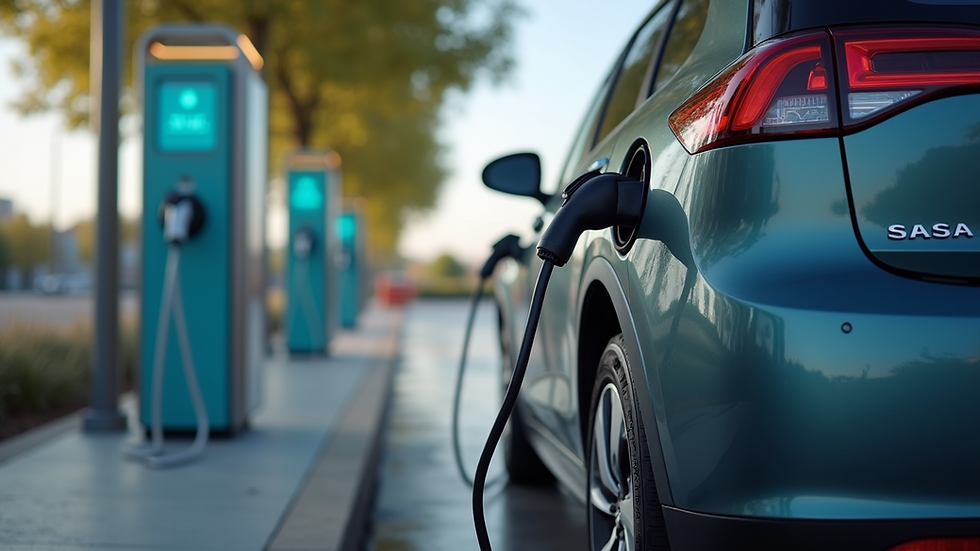
Transportation innovations are no longer just concepts; they are becoming everyday realities. These advancements aim to reduce environmental impact, improve efficiency, and enhance user experience. For example, electric vehicles (EVs) have gained significant traction due to their zero emissions and lower operating costs. Governments worldwide are supporting EV adoption through incentives and expanding charging networks.
Another key innovation is the development of autonomous vehicles. Self-driving cars use sensors, cameras, and artificial intelligence to navigate roads without human intervention. This technology promises to reduce accidents caused by human error and improve traffic flow.
Public transportation is also benefiting from innovations. Cities are integrating smart ticketing systems and real-time tracking apps to make commuting more convenient. Additionally, micro-mobility options like e-scooters and bike-sharing programs are helping reduce congestion and pollution in urban areas.
How Smart Infrastructure Supports Transportation Innovations
Smart infrastructure plays a crucial role in enabling transportation innovations. Intelligent traffic management systems use data analytics and sensors to optimize traffic signals, reducing congestion and travel time. For instance, adaptive traffic lights can adjust their timing based on real-time traffic conditions, improving flow and reducing emissions.
Roads embedded with sensors can monitor vehicle speed, weight, and road conditions, providing valuable data for maintenance and safety improvements. This technology also supports connected vehicles that communicate with infrastructure to avoid collisions and improve navigation.
Moreover, smart parking solutions help drivers find available spots quickly, reducing the time spent searching and lowering emissions. Cities implementing these systems report increased efficiency and better use of urban space.

What is the Latest Technology in Transportation?
The latest technology in transportation focuses on integrating multiple innovations to create seamless, efficient systems. One standout development is the rise of hyperloop technology. This concept involves high-speed pods traveling through low-pressure tubes, potentially reaching speeds over 600 miles per hour. Hyperloop could revolutionize long-distance travel by drastically reducing journey times.
Another breakthrough is in battery technology. Solid-state batteries offer higher energy density, faster charging, and improved safety compared to traditional lithium-ion batteries. These advancements will extend the range and reduce the cost of electric vehicles, making them more accessible.
In aviation, electric and hybrid-electric planes are emerging, aiming to reduce carbon emissions from air travel. Companies are testing small electric aircraft for short-haul flights, which could transform regional transportation.
Additionally, the integration of artificial intelligence and machine learning in logistics is optimizing supply chains. AI-powered systems predict demand, optimize routes, and automate warehouse operations, leading to faster and more reliable deliveries.

The Role of Emerging Transportation Technologies in Sustainability
Sustainability is a driving force behind many transportation innovations. The shift towards cleaner energy sources and efficient systems helps reduce the carbon footprint of travel. For example, electric buses and trucks are replacing diesel-powered fleets in many cities, cutting down air pollution and noise.
Renewable energy integration is also critical. Solar-powered charging stations and wind energy for transportation hubs contribute to greener operations. Urban planners are designing cities to encourage walking, cycling, and public transit use, supported by technology that makes these options more attractive.
The concept of shared mobility is gaining popularity as well. Car-sharing, ride-hailing, and bike-sharing reduce the number of vehicles on the road, lowering emissions and traffic congestion. These services often rely on apps and data analytics to optimize availability and routes.
For those interested in exploring more about emerging transportation technologies, there are numerous resources and case studies available that highlight how these innovations are being implemented worldwide.
Preparing for the Future of Transportation
As transportation continues to evolve, it is essential to prepare for the changes ahead. Governments, businesses, and individuals all have roles to play in adopting and supporting new technologies.
Policy and Regulation: Authorities should create frameworks that encourage innovation while ensuring safety and privacy. Incentives for clean vehicles and infrastructure investments are vital.
Investment in Research: Continued funding for research and development will accelerate breakthroughs in battery technology, autonomous systems, and smart infrastructure.
Public Awareness: Educating the public about the benefits and use of new transportation options will increase adoption and support.
Collaboration: Partnerships between tech companies, manufacturers, and governments can drive integrated solutions that address complex transportation challenges.
By embracing these strategies, society can enjoy the benefits of faster, cleaner, and more efficient transportation systems.
Transportation innovations are reshaping how we move and interact with our environment. From electric vehicles to smart cities, these advancements promise a future where travel is safer, greener, and more connected. Staying informed and engaged with these changes will help everyone navigate the exciting road ahead.


Comments