

Innovations Shaping the Future of Transportation
- Jaycee
- Aug 26, 2025
- 3 min read
Transportation is evolving rapidly, driven by technological breakthroughs and a growing need for sustainable, efficient, and safer travel. The future of transportation promises to transform how people and goods move across cities and countries. This blog explores the most exciting future transportation innovations that are set to redefine mobility in the coming years.
Exploring Future Transportation Innovations
The transportation sector is undergoing a revolution with innovations that address environmental concerns, urban congestion, and the demand for faster, more convenient travel. Some of the key innovations include:
Electric Vehicles (EVs): Electric cars, buses, and trucks are becoming mainstream, reducing reliance on fossil fuels and cutting emissions.
Autonomous Vehicles: Self-driving cars and trucks use AI and sensors to navigate roads safely without human intervention.
Hyperloop Systems: High-speed vacuum tube transport that can drastically reduce travel time between cities.
Flying Cars and Drones: Personal aerial vehicles and delivery drones are emerging as new modes of transport.
Smart Infrastructure: Roads and traffic systems embedded with sensors to optimize traffic flow and improve safety.
These innovations are not just concepts but are actively being developed and tested worldwide. Governments and private companies are investing heavily to bring these technologies to market.

How Emerging Technologies Are Driving Change
The integration of emerging transportation technologies is crucial for the future of mobility. These technologies combine advancements in AI, machine learning, renewable energy, and materials science to create smarter and cleaner transportation solutions.
For example, autonomous vehicles rely on sophisticated sensors like LiDAR and radar to detect obstacles and make real-time decisions. This reduces accidents caused by human error and improves traffic efficiency. Electric vehicles benefit from breakthroughs in battery technology, enabling longer ranges and faster charging times.
Public transit systems are also evolving with smart ticketing, real-time tracking, and electric buses that reduce urban pollution. Additionally, innovations like vehicle-to-everything (V2X) communication allow cars to interact with traffic lights and other vehicles, enhancing safety and reducing congestion.
Practical Recommendations for Adopting New Transport Technologies
For commuters: Consider switching to electric or hybrid vehicles to reduce your carbon footprint.
For city planners: Invest in smart infrastructure that supports autonomous and electric vehicles.
For businesses: Explore logistics solutions using drones or autonomous trucks to improve delivery efficiency.
For policymakers: Encourage regulations that promote clean energy and safety standards for new transport modes.
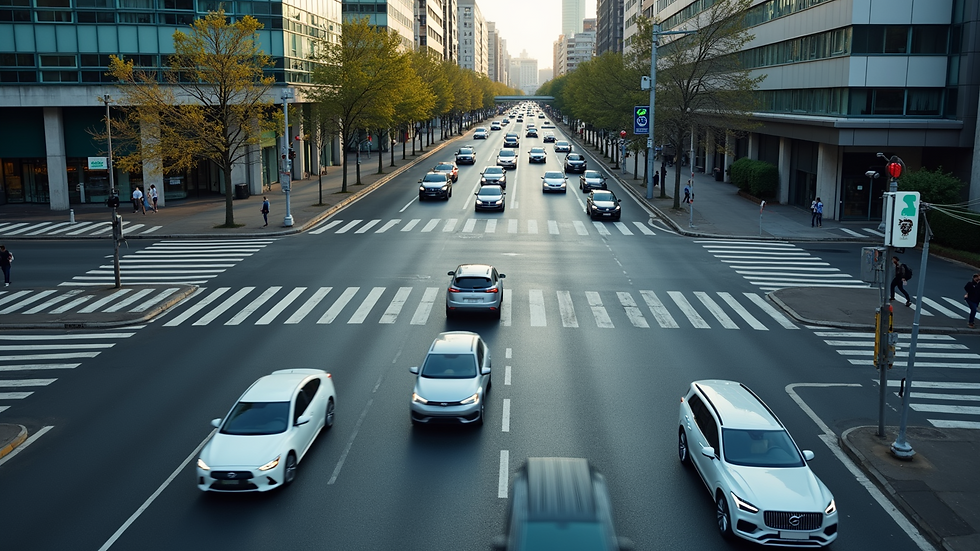
What is the Transport Trend in 2025?
By 2025, several transport trends are expected to dominate the landscape:
Widespread Adoption of Electric Vehicles: EVs will become more affordable and accessible, supported by expanded charging networks.
Growth of Autonomous Mobility: Self-driving taxis and delivery vehicles will be operational in many urban areas.
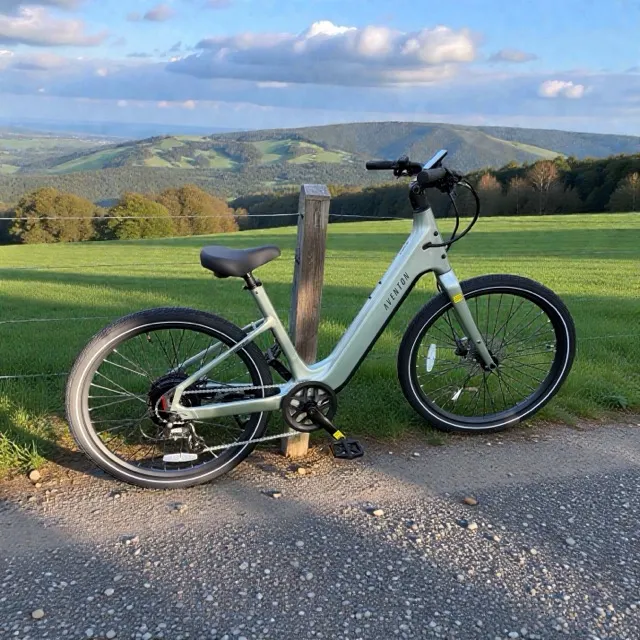
Expansion of Micro-Mobility: Electric scooters, bikes, and shared mobility services will continue to grow, especially in congested cities.
Integration of Multimodal Transport: Seamless travel combining different transport modes (e.g., bike to train to bus) will be facilitated by digital platforms.
Increased Focus on Sustainability: Governments and companies will prioritize reducing emissions and promoting green transport options.
These trends reflect a shift towards more connected, efficient, and environmentally friendly transportation systems. The focus will be on reducing travel time, lowering costs, and minimizing environmental impact.

Challenges and Opportunities in Future Transportation
While the future looks promising, several challenges must be addressed to fully realize these innovations:
Infrastructure Development: Upgrading roads, charging stations, and communication networks requires significant investment.
Regulatory Frameworks: Governments need to create policies that ensure safety, privacy, and fair competition.
Public Acceptance: People must trust and feel comfortable using autonomous and new transport modes.
Environmental Impact: Although cleaner, manufacturing and disposing of new technologies like batteries have environmental costs.
On the other hand, these challenges present opportunities for innovation and collaboration. Public-private partnerships can accelerate infrastructure projects. Education campaigns can increase awareness and acceptance. Research into sustainable materials and recycling can reduce environmental footprints.
Preparing for a New Era of Mobility
The future of transportation is not just about technology but also about how society adapts to these changes. To prepare for this new era:
Stay Informed: Follow developments in transportation technology and policy.
Embrace Change: Be open to trying new modes of transport and adopting sustainable habits.
Support Innovation: Advocate for investments in clean and smart transportation infrastructure.
Plan for Accessibility: Ensure that future transport solutions are inclusive and accessible to all demographics.
By taking these steps, individuals, businesses, and governments can contribute to a transportation system that is safer, cleaner, and more efficient.
The innovations shaping the future of transportation are set to transform how we live and work. From electric and autonomous vehicles to smart infrastructure and new mobility services, the possibilities are vast. Embracing these changes will lead to a more connected and sustainable world where moving from place to place is easier and better for the planet.


Comments