

How Advanced Technologies Are Revolutionizing Transportation
- Jaycee
- Aug 21, 2025
- 3 min read
Transportation is undergoing a profound transformation thanks to advanced technologies. These innovations are reshaping how people and goods move, making travel faster, safer, and more sustainable. From electric vehicles to autonomous systems, the future of transportation promises to be more efficient and environmentally friendly. This article explores the key technologies driving this revolution and what they mean for the future.
The Rise of Electric and Autonomous Vehicles
Electric vehicles (EVs) have become a cornerstone of future transportation innovations. Unlike traditional gasoline-powered cars, EVs produce zero tailpipe emissions, helping reduce air pollution and combat climate change. Advances in battery technology have increased driving ranges and reduced charging times, making EVs more practical for everyday use.
Autonomous vehicles (AVs) are another breakthrough. These self-driving cars use sensors, cameras, and artificial intelligence to navigate roads without human intervention. AVs have the potential to reduce accidents caused by human error, improve traffic flow, and provide mobility for those unable to drive.
Key benefits of electric and autonomous vehicles include:
Lower greenhouse gas emissions
Reduced dependence on fossil fuels
Enhanced road safety
Increased accessibility for elderly and disabled individuals

Future Transportation Innovations in Infrastructure and Mobility
The future of transportation is not just about vehicles but also about the infrastructure that supports them. Smart cities are integrating technology into roads, traffic signals, and public transit systems to create more efficient and responsive networks.
Examples of infrastructure innovations include:
Smart traffic management systems that use real-time data to reduce congestion and optimize traffic flow.
Connected vehicle technology allowing cars to communicate with each other and with road infrastructure to prevent accidents.
Hyperloop systems that use magnetic levitation to transport passengers at high speeds through low-pressure tubes, drastically cutting travel times between cities.
Public transportation is also evolving with electric buses, on-demand shuttles, and bike-sharing programs becoming more common. These options reduce the number of private vehicles on the road, lowering emissions and easing traffic.

What are the future transportation technologies?
Looking ahead, several cutting-edge technologies are set to redefine transportation even further. These include:
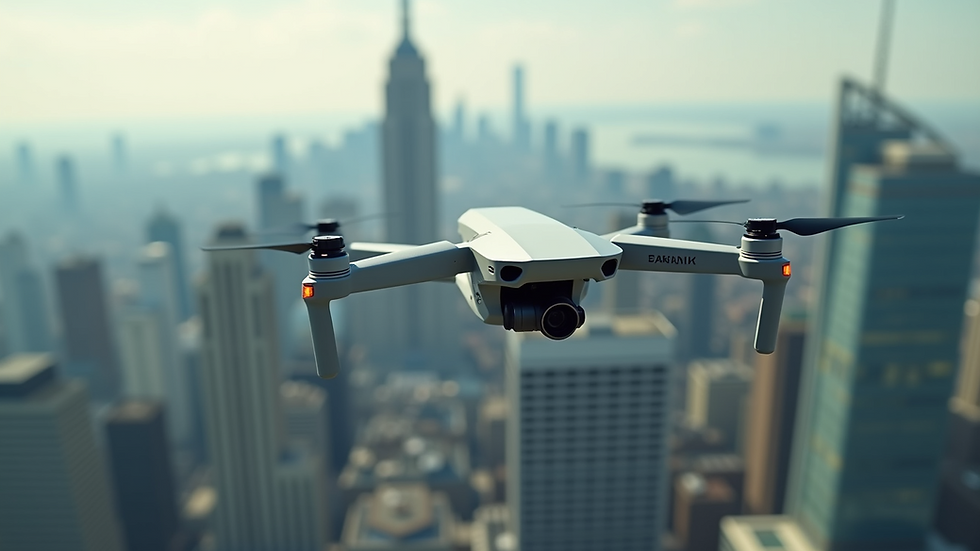
Flying cars and drones: Personal aerial vehicles and delivery drones could reduce ground traffic and speed up logistics.
Hydrogen fuel cells: Offering a clean alternative to batteries, hydrogen-powered vehicles emit only water vapor and can be refueled quickly.
Advanced materials: Lightweight and durable materials like carbon fiber composites improve vehicle efficiency and safety.
Artificial intelligence and machine learning: These technologies enhance navigation, predictive maintenance, and traffic management.
These innovations are still in various stages of development but hold great promise for transforming how we travel and transport goods.
The Role of Emerging Transportation Technologies in Sustainability
Sustainability is a major driver behind many transportation innovations. The shift towards cleaner energy sources and smarter systems aims to reduce the environmental impact of travel.
By adopting emerging transportation technologies, cities and companies can:
Cut carbon emissions significantly
Decrease noise pollution
Improve energy efficiency
Promote the use of renewable energy sources
For example, electric public transit powered by solar or wind energy can drastically lower a city’s carbon footprint. Similarly, autonomous ride-sharing fleets can optimize routes and reduce the number of vehicles needed on the road.
How Businesses and Consumers Can Adapt to These Changes
To fully benefit from future transportation innovations, businesses and consumers need to embrace change and invest in new technologies.
For businesses:
Invest in electric and autonomous fleets to reduce operating costs and improve sustainability.
Adopt smart logistics solutions that use AI to optimize delivery routes and reduce fuel consumption.
Collaborate with technology providers to stay ahead of emerging trends.
For consumers:
Consider switching to electric or hybrid vehicles.
Use public transit and shared mobility services when possible.
Stay informed about new transportation options and infrastructure developments.
By taking these steps, both businesses and individuals can contribute to a more efficient and sustainable transportation future.
The transportation landscape is evolving rapidly thanks to advanced technologies. These future transportation innovations promise safer, cleaner, and more efficient travel for everyone. Staying informed and adaptable will be key to navigating this exciting new era.


Comments